Aim for better: What's going wrong for CFO's and how can we fix it?

Many CFOs and finance leaders are exhausted.
They’re closing month-end late, firefighting audit queries, working nights and weekends, and trying to hold everything together on outdated systems that nobody fully trusts. At the same time, they’re expected to be strategic partners, ESG leaders and data guardians for the whole business.
This webinar takes a candid look at that reality.
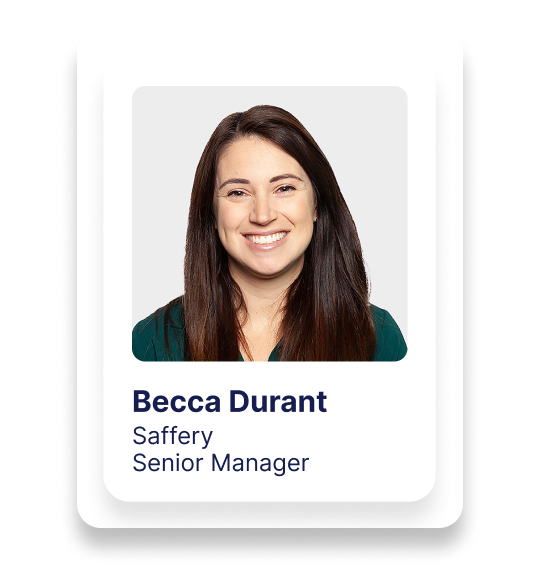
Hosted by Evan O’Shea (AccountsIQ), with panelists James Hunter, CFO at AccountsIQ, and Becca Durant, Cloud Accounting Manager at Saffery, the session builds on AccountsIQ’s CFO Mindset research (250+ finance professionals across the UK & Ireland). Together, they explore:
- Why finance teams are burning out and what’s really driving the workload
- How bad system choices and poor implementations trap teams in inefficiency
- When it’s better to course-correct (even after a failed ERP project)
- How to separate people, process and technology problems—and fix the right thing
- What “good” looks like in cloud finance systems, onboarding and support
- How the CFO role is evolving into a chief data officer for the organisation
You’ll come away with pragmatic advice, not theory: the kind of steps a time-poor CFO can actually take in the next 3–6 months to move from reactive firefighting to more proactive, data-driven finance leadership.
What this webinar covers
1. The overwork crisis in finance
Evan opens with stories many finance professionals will recognise:
- CFOs and finance leaders working into the night to meet board requests
- Teams juggling compliance, reporting, ESG, HR and operations on top of core finance
- Owner-managed businesses where the MD is effectively acting as CFO and finance team
James shares experiences from large regulated financial services clients and small owner-managed businesses, highlighting:
- Different pressures, same symptoms: long hours, stress, constant deadlines
- The need for structure with built-in flexibility to handle unexpected demands
- Why there’s no “quick fix”, but there are smarter ways to design the function
2. When outdated systems create more work, not less
Becca describes finance teams “running a marathon in sand”:
- Legacy/on-prem or entry-level systems that are:
- Slow, flaky and crash-prone
- Poorly trusted (“we don’t really believe the numbers”)
- Driving duplicate manual checks because no one trusts outputs
Key themes:
- CFOs and finance managers over-working because:
- They don’t trust system data
- They can’t see clear processes
- There’s not enough visibility across the function
- Why “fixing it in your spare time” doesn’t work:
- A proper finance function review is a separate piece of work
- You often need someone outside the day job (internal or external) to step back and assess
3. Choosing the right finance system (without repeating old mistakes)
James draws on his experience of “spec-and-select” projects:
- First step: sharpen the axe
- Clearly define where you want the finance function to be
- Honestly assess where you are now
- Categorise gaps as system, process or people problems
Key warnings:
- Don’t rush straight to “buy a bigger system” as the default solution
- Many pain points are process issues that won’t be fixed by software alone
- Common mistake: jumping from Xero/QuickBooks straight to a full-fat ERP, expecting it to fix:
- Weak processes
- Skill gaps
- Poor data discipline
Instead, look for:
- A system that meets core needs on day one but can flex and scale:
- Modular / mid-market cloud solutions like AccountsIQ
- Shorter implementation windows (weeks/months, not years)
- Ability to configure and extend as the business evolves
4. Course-correcting after a poor software choice
Becca sees this regularly:
- Businesses moving from entry-level tools to:
- NetSuite, Sage 200 or similar ERPs
- 18–24 months later, they’re still not live
- Teams are still using the old system in parallel
Her key messages:
- It’s never too late to admit a system is wrong for you
- Sometimes the best option is to stop, step back and start again
- Don’t suffer years of inefficiency because of sunk-cost fallacy
Practical steps:
- Talk to advisers and peers in your industry:
- Accountants and cloud specialists see patterns across many clients
- Be honest: are you staying because “we’ve already spent so much” or because it’s the right fit?
- Recognise hidden costs:
- Staff burnout and turnover
- Rework and manual workarounds
- Parallel systems and duplicate data
5. Avoiding 12–18 month implementation nightmares
James outlines how to prioritise for a fast, smooth go-live:
- Take a pragmatic approach:
- You don’t need 100% perfection on day one
- Focus on the 80% that matters and evolve later
- Be realistic about historic data:
- Monthly or annual balances are often good enough
- Detailed transaction history can stay in the old system for reference
He stresses the value of:
- Listening to experienced implementation leads:
- They’ve seen 50+ similar projects
- They know what’s “nice-to-have” vs what will delay go-live for limited benefit
- Choosing a vendor with:
- Clear, proven onboarding methodology
- People who can suggest “do this now, leave that for month 6–9”
6. Fixing data gaps and turning information into insight
Becca tackles the buzzword of “real-time data”:
- Real-time means different things:
- For some businesses, daily is fine
- For others, they genuinely need near real-time insight
- The real issue isn’t speed; it’s data quality and process design
Her view:
- If processes and systems are set up correctly, insight should be:
- Reliable
- Accessible
- Almost “automatic”
- The goal is to automate mundane, repetitive tasks so:
- CFOs and finance teams can spend more time on analysis and decision support
- Non-finance stakeholders get clear, trusted numbers from a single source of truth
7. Moving from reactive firefighting to proactive control
James talks about regaining control:
- Start with structure plus flexibility:
- Monthly timetables
- Clear responsibilities
- Recognise that things will still change (acquisitions, new regs, etc.)
- View the CFO as Chief Data Officer (formally or informally):
- Finance often ends up owning data and process across:
- Sales & CRM
- Operations
- HR
- ESG and non-financial metrics
- Finance often ends up owning data and process across:
He suggests:
- Slightly over-resourcing core finance where possible:
- e.g. 8 FTE instead of 5
- 5 focus on core month-end, 3 float into projects and other functions
- Those “floating” roles can be redeployed to:
- Implement new systems
- Support audits
- Fix processes in other departments
Key mindset shift:
Every problem you’re facing, another CFO has already solved. Build your network, share experiences and steal with pride.
8. Building a business case beyond licence cost
Becca and James both emphasise the hidden costs of doing nothing:
- Staff burnout and churn from:
- Boring, manual, repetitive work
- Frustration with clunky systems
- Time lost on:
- Rework
- Parallel spreadsheets and reconciliations
- Dealing with auditors who can’t self-serve data
Becca’s advice:
- Include people and retention in your business case:
- Cost of replacing and retraining staff
- Impact on morale and willingness to improve processes
James adds:
- 5–10 years ago, moving to cloud was a harder sell; now:
- It’s almost expected that modern finance runs on cloud
- Mid-market cloud platforms often cost less overall than legacy ERPs + servers
- The argument to stay on legacy is often harder to justify than the argument to move
9. Onboarding, support & what to demand from vendors
James highlights how SaaS has changed expectations:
- Old world:
- On-prem systems
- Annual updates
- Minimal ongoing change
- New world:
- Cloud platforms evolving constantly
- New features, modules, automations rolling out regularly
What this means for CFOs:
- You don’t just need a product; you need a long-term partner:
- Strong onboarding and implementation
- Ongoing customer success / support
- Proactive help adopting new features (e.g. approvals, automation, integrations)
When evaluating systems, ask:
- How many implementations has your team done in my sector / size band?
- What does post go-live support look like in month 3, 6, 12?
- How will you help us embed new features over time, not just at go-live?
10. The evolving CFO role (and the tech you’ll need)
Looking 3–5 years ahead, James sees:
- The CFO increasingly acting as Chief Data Officer:
- Responsible for financial + non-financial data
- Pulling information together from CRM, HR, operations and ESG systems
- A growing need for:
- Open APIs and integrations
- Tools that support visual, non-technical reporting:
- Dashboards for non-finance users
- Simple visualisations for boards and operational teams
Finance systems must:
- Integrate cleanly with other business platforms
- Allow reporting and dashboards that non-accountants genuinely understand
- Support both:
- Classic P&L / balance sheet views, and
- Visual, KPI-driven views for commercial and operational teams
Author
.png)