

Consolidate accounts with ease
AccountsIQ helps you create consolidated accounts across multiple entities and currencies.


Our consolidation features


Take a deeper dive into our consolidation features
Group level reporting
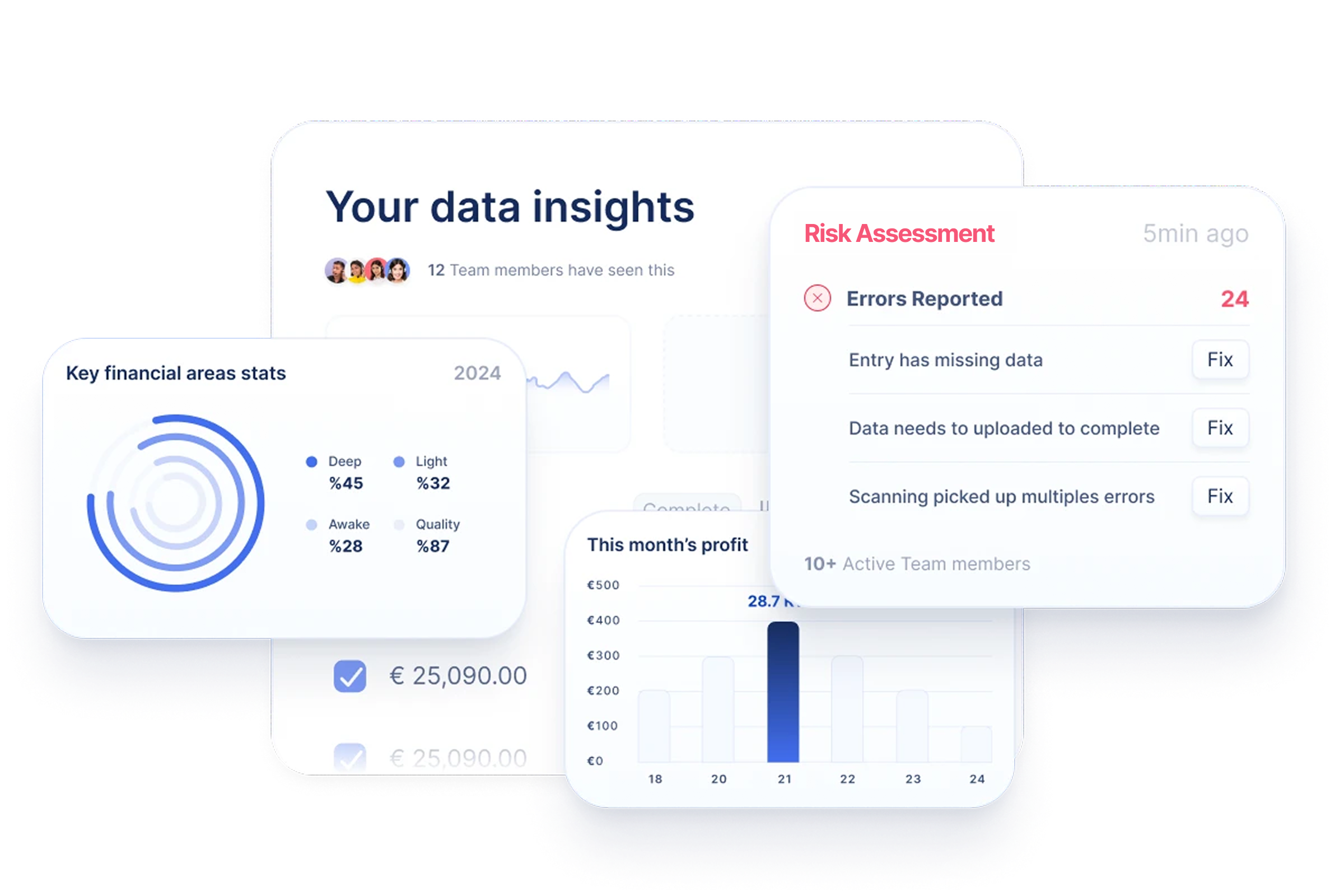
Pull together budgets, revised budgets, actuals and variances from all of your entities and subsidiaries to provide an overview of performance and trends across the group, at any time. Conduct BI analysis to enhance your GL Chart of accounts, delivering management-ready reports and dashboards whenever you need them.


Take a quick tour
A quick video guide showcasing core features of AccountsIQ
FAQs
What is required to set up consolidation in AccountsIQ?

Consolidation setup typically includes:
• Defining group structure and ownership relationships
• Mapping local charts of accounts to group codes
• Configuring currencies and FX translation rules
• Setting intercompany elimination rules
• Defining reporting periods and budgets
Setup is delivered through a structured implementation process to ensure accurate and compliant group reporting.
Does AccountsIQ help reconcile inter‑company mismatches before consolidation?
Yes. The system minimises mismatches by controlling inter‑company postings. Inter‑company purchase invoices remain unposted until they are accepted and correctly coded in the receiving company. This approach keeps inter‑company accounts balanced at the group level before you run a consolidation.
How long does it take to implement consolidation in AccountsIQ?
Implementation time depends on the complexity of your group. AccountsIQ works with you to design your group structure, map charts of accounts, set up FX handling and consolidation rules. Because it’s a project‑based process, timelines vary; your implementation partner can provide an estimate based on the number of entities, currencies and reporting requirements.
Is consolidation designed for teams with multiple entities?
Yes, AccountsIQ is built specifically for multi-entity groups and multi-currency environments. Each entity handles books individually, while giving you accurate and real-time group consolidation.
It supports:
· Complex group structures
· Ownership percentages
· Cross-border entities
· Central FX translation
· Consolidated reporting in real time
This makes it suitable for growing groups, holding companies, and international organisations.
Can AccountsIQ save time during consolidation?
Yes. AccountsIQ streamlines consolidation by allowing instant, real‑time group consolidation across multiple entities and currencies. It automates FX handling and simplifies inter‑company transactions, so you can avoid manual, spreadsheet‑based consolidation each month. Because each entity’s books roll up into a single consolidated view, finance teams can close periods faster and focus on analysis rather than data re‑entry.
Features

Compare
Support
Company


