

CFO Playbook: How to switch software with confidence
3 essential steps for a smoother accounting upgrade

Table of contents

Overview
Upgrading accounting software is one of the most important decisions a finance leader can make.
For mid-market organisations looking to replace outdated systems or software they’ve outgrown, the challenge isn’t whether to upgrade, but how. Move too fast and you risk expensive, over-engineered ERP platforms that fail to deliver value.
This playbook sets out three essential steps to help CFOs and finance leaders choose the right accounting software, reduce implementation risk, and avoid costly mistakes.
Make a smarter accounting software decision. If you’re planning an accounting software upgrade - or need to be convinced as to whether a switch is a good move - this playbook will help you choose with clarity and confidence.
This playbook draws on insights from AccountsIQ’s CFO Mindset research, which explores the core challenges facing finance leaders and what's driving their software choices. The numbers in this report are from our 2024 survey. These figures have been echoed and reinforced by the findings of our latest report, CFO Mindset 2.0, which you can learn more about here.
Time for a change?
If you’re choosing accounting software based only on features or price, you’re missing out on the real value.
For businesses in the mid-market, who have outgrown basic systems but don’t yet require the full complexity of large Enterprise Resource Planning (ERP) systems, the choice of which software to choose can be a minefield. They need accounting software that can scale with them, yet too many organisations upgrade to the wrong package for the wrong reasons.

Having recognised it is time to move on from the limited functionality or off-cloud features offered by the likes of Xero or Sage 50, many finance leaders of mid-sized firms simply start looking for the software with the most features. This can lead to the CFO or other finance leaders choosing the complex, costly ERP platforms such as Netsuite or SAP, commonly used by multinationals and big corporate companies.
But basing your software selection on the volume of features is far from a safe bet. If anything, it is a high-risk strategy: Gartner research reveals that 70% of recently implemented ERP initiatives will fail to fully meet their original business use case goals, and as many as 25% of these will fail catastrophically.
This playbook is designed to help you avoid becoming another statistic in the story of failed or wasteful software implementations, giving you advice on how to choose a smarter path and see positive results from day one. We will look at the following key elements and how getting these aspects right are crucial for mid-market businesses.
1. Speed of Implementation
2. Total Cost of Ownership
3. Customer Support
Spotting the signs
Upgrading your accounting system is rarely a luxury - it’s a critical step when your current software can no longer keep up with your growth. Here are four clear signs it’s time to act:
Transaction volumes
Financial visibility
Slow, manual processes
A maze of siloed systems
In 2024, AccountsIQ surveyed 260 CFOs of mid-sized firms in the UK and Ireland to explore their current state of mind in light of a range of economic and technological developments. Among other insights, the poll reveals the scale of the mismatch between company and software: 86% of CFOs say financial strategy decisions lack sufficient data, while just over a third (34%) say the biggest internal threat to financial stability is limited technology and software.
This research reveals that while finance leaders regularly see a lack of or not fit-for-purpose technology as the root cause of their problems, when the right software is found, it is the most likely solution. Ironically, it’s often a shift in mindset that CFOs need to make in order to choose accounting software that truly delivers the outcomes they’re looking for.
Key findings
of CFOs and finance leaders feel decisions about financial strategy are made with insufficient data or insight
need 1-2 extra days per week to clear their backlog
don’t feel completely in control of their company’s financial health
feel overwhelmed by the financial challenges facing their organisation multiple times a month
of CFOs say better financial tech would boost their control over finances
say the biggest internal threat to financial stability is limited technology and software
More isn't better, it's just more.
As new software selection is often driven by the failures of current systems, a CFO’s approach when making a decision is typically to look for all the features that they currently lack, plus a few more.
This excitement at all the possibilities a new system could offer isn’t unreasonable, says Darren Cran, CEO of AccountsIQ Group. Mid-sized firms will love the advanced features offered by the more sophisticated packages, he says.
“For example, automated report generation is phenomenal,” says Cran. “Finance teams are astonished when they see how much granular detail can be generated with near-zero effort. If they are used to working with a basic package for small firms and startups, the ability to view data by division or subsidiary, with automated consolidation is a huge upgrade.”

Darren Cran
CEO, AccountsIQ Group
However, selecting the right package is about more than running through a checklist of features.
“When CFOs ask me for advice, my message is to look beyond the sheer number of tools. The risk is being seduced into adopting a bloated ERP system. Given the Gartner research on just how many of those projects fail, you should stop and ask: do you really need a Netsuite or SAP ERP? In the majority of cases, as Gartner says, you’d be better off with a package designed for the mid-market, which focuses on what you really need.”
Basing your search purely on features can also mean becoming overwhelmed by choice.
“I’ve spent my life in accounting, first as a Chartered Accountant, then CFO, and today as CEO, and I have sympathy for finance teams in their search for the right accounts package,” says Cran.
“There are so many vendors and products. It’s not easy. That’s why it’s important not to get bogged down in the endless comparisons between each platform - focus instead on what truly matters to your business. The best solution is the one that meets your core needs, not the one with the longest feature list.”
Criteria for change
1. Speed of implementation
Speed of implementation is a great way to assess suitability. Ask providers for the expected time to launch.
“A mid-market company should be able to migrate to a new system in a few weeks, and with confidence,” says Cran. Longer periods are a giveaway that the package may be an overengineered solution for your company.
“Six months is too long,” adds Cran. “And frankly, the bigger providers often take a year to 18 months to implement. The cost is brutal. The disruption is unfathomable. Time-to-value really matters.” In contrast, a modern, cloud-hosted solution like AccountsIQ can be fully deployed in just 4–6 weeks—at just 1/6th of the cost of the more complex systems.
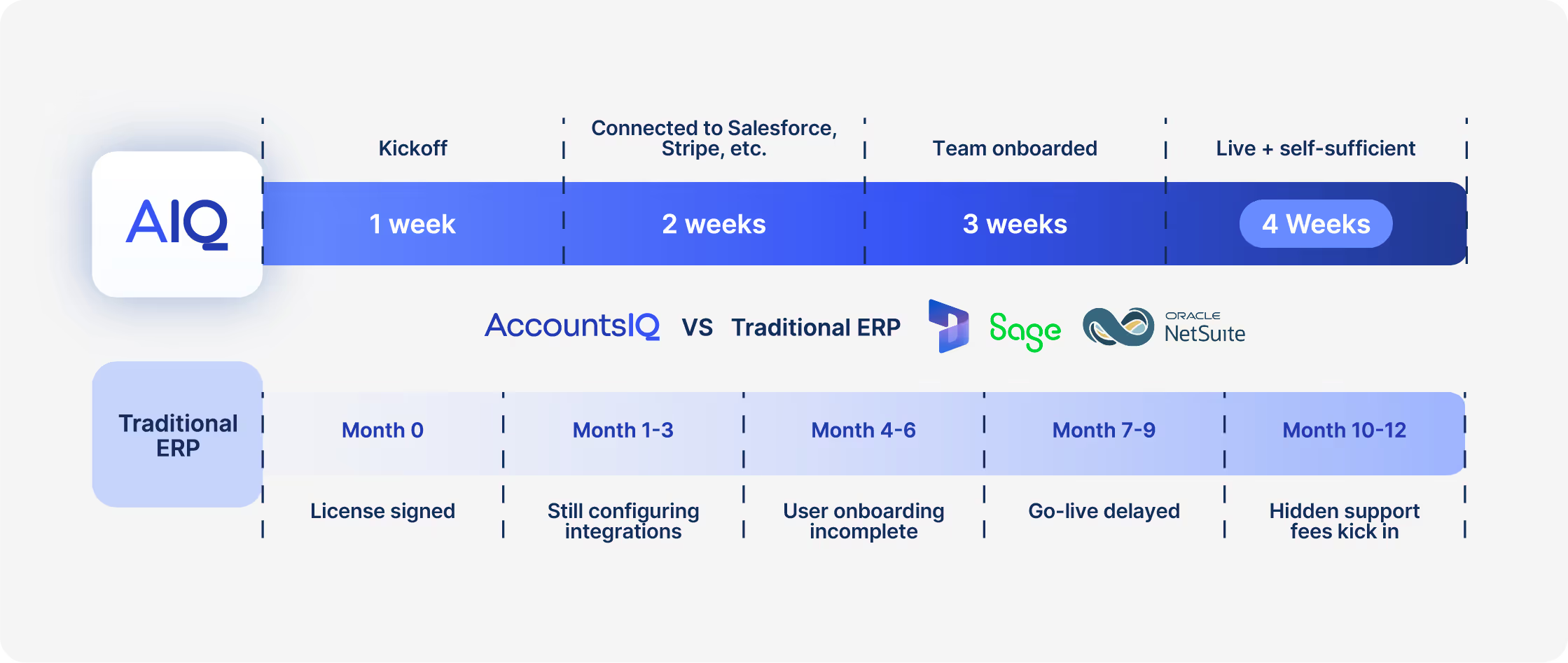
Compared to traditional ERP platforms like NetSuite or SAP, which can demand a year or more of intensive implementation processes and significant investment, AccountsIQ delivers faster results with far less strain on budgets and teams, and no hidden or spiralling third party costs.
Demand installation projections from potential vendors. Ask for case studies of comparable firms. If migration is going to take half a year to a year, you can rule the vendor out.
Talk to your provider about the help they offer during a transition. For example, AccountsIQ supplies a dedicated migration team that will work with you to identify the best path to adoption. Training is also provided both in-person and online.
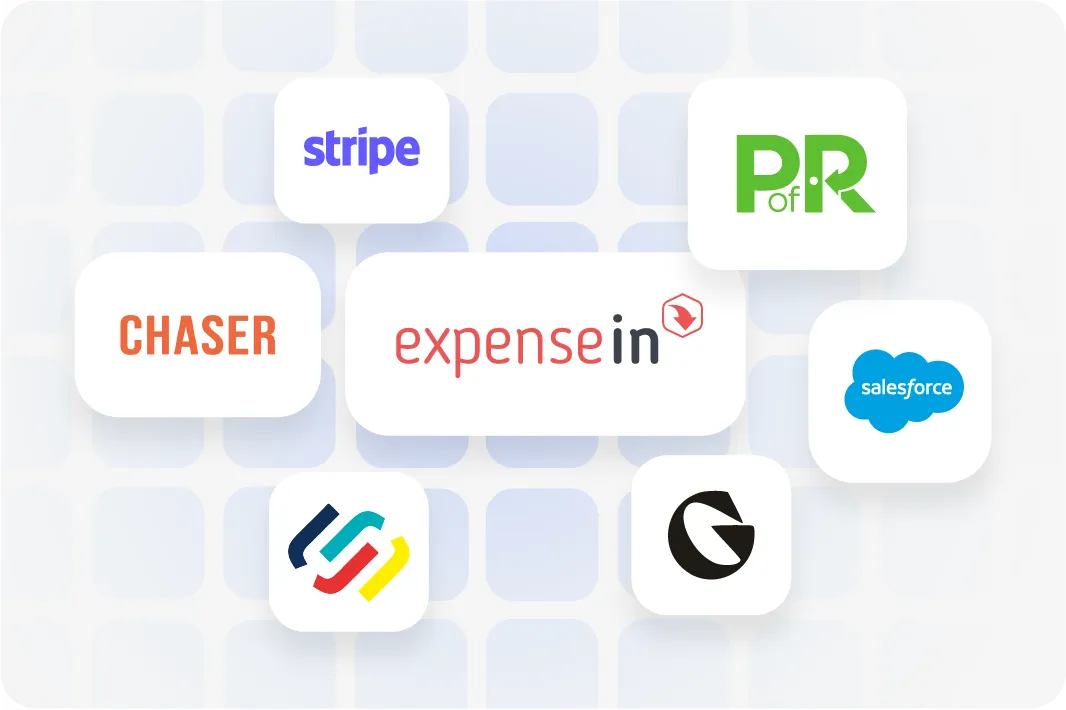
Integration with other applications is also key to the speed of implementation. Connecting with third-party applications is made easier with cloud-based systems. API connectivity makes it straightforward to integrate into other business packages across CRM, HR, sales, marketing, inventory, and other domains.
Take ExpenseIn, for example - now part of the AccountsIQ group following an acquisition in January 2025. It’s a powerful expense management tool that’s fully embedded into our platform, making the entire process from receipt to reimbursement seamless.
That kind of joined-up process is what finance teams expect now - and we’ve yet to come across an integration we haven’t already handled.”
2. Total cost of ownership
Implementation speed is a big factor in Total cost of ownership (TCO). If the package is rapid to install and launch – days or weeks – the return on investment begins almost immediately. Conversely, a migration taking months or years can (and often does) cause chaos, and incurs expense before any valuable return is felt.
TCO is a vital metric – yet it is often miscalculated. The price of software is only part of the true total.
There are many hidden costs, including:
Software license fees – often appear low initially but increase over time.
Implementation costs – outsourced consultants drive up expenses.
Parallel system costs – running two systems during long rollouts is costly.
Premium support fees – ERP providers such as Netsuite start support charges at around £10,000 per year and these fees can reach above £100,000 per year for advanced customer support including third party involvement.
“TCO needs to include every expense,” says Cran. “This begins with software fees. Then add on implementation costs, internal costs incurred in the switchover, training and onboarding, and the expense of external consultants if you find the support offered by the vendor isn’t great.
Netsuite clients regularly seek third-party support, and the cost balloons. ”On the other hand, adds Cran, “a pain-free transition, including ongoing, accessible staff training via the vendor’s in-house service, means the TCO tumbles”.
3. Customer support
So you’ve found a product that is quick to implement and has a reasonable TCO. But how easy will it be for your finance team to operate it? Rather than just looking at the functionality to address this question, it is essential that you consider the customer support that is offered.
“You want local, expert support,” says Cran. “Your vendor ought to provide the personal touch. You want human help during the transition period with some hand-holding. And demand an account manager who’ll answer when you call. This isn’t what you’ll get from the likes of Xero, which offers online ticketing support only. It is impersonal and slow.”
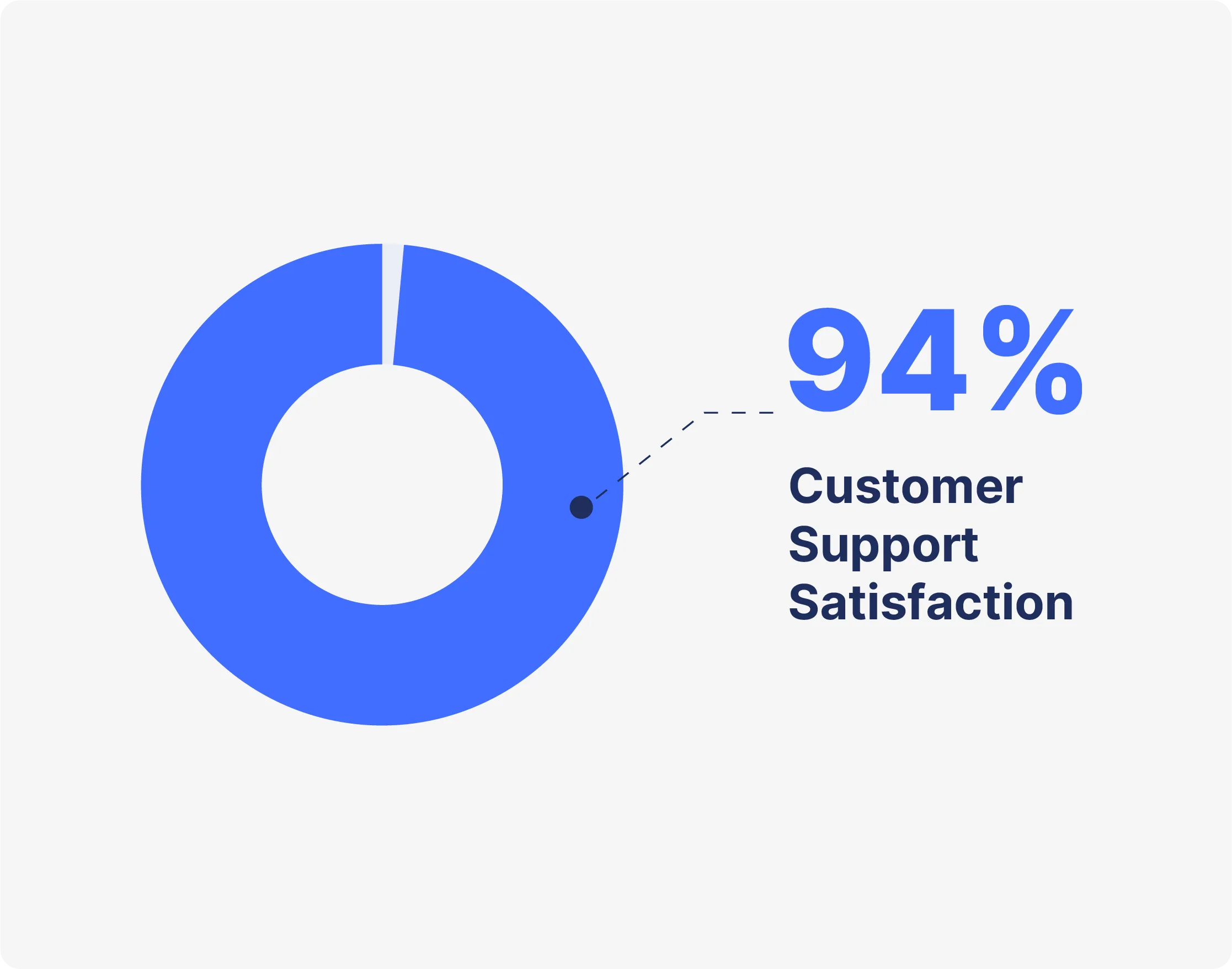
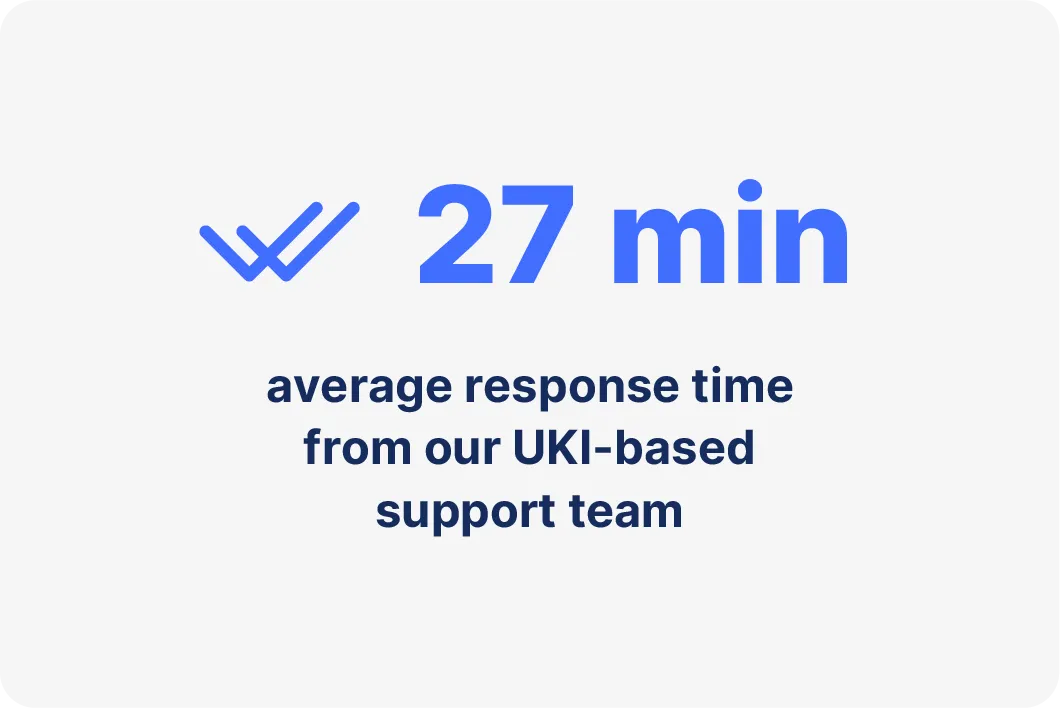
Also consider whether support with that personal touch is included as part of your package, or comes at an additional cost, as is the case with Netsuite. At AccountsIQ, we offer in-house UKI-based support, dedicated account managers, rapid responses with a 27 minute average first response time and a 98% Customer Support Satisfaction score.
Training is a vital part of the support that should be offered both during implementation and throughout operation. At AccountsIQ we can tailor training to our customers and provide it both in-person and online.
Maintenance should be simple. Cloud-based packages offer clear advantages over legacy on-premise software. With cloud-hosting, there is nothing to install or maintain. Just log-in via a browser on any PC, Mac, or tablet. Updates are rolled-out by the vendor; users merely enjoy the enhancements. IT teams love cloud systems for this reason.
Transparency matters too. Does the vendor publish a roadmap of future updates to ensure users have visibility on what's coming next? Ask about the process for requesting new features: how does the vendor respond to user requests for new features? The best vendors are transparent in their roadmap, and are responsive to feature suggestions.

We fell between two stalls. Our finance needs are more complex than the functionality we found in the out-of-the-box systems, like Xero. But it was hard to justify the cost of something like NetSuite.


What’s next?
Better begins now
Upgrading accounts software is an exciting moment in the life of a company. It is a sign you’ve expanded beyond your current infrastructure and are preparing for a new phase of growth.
Overall, the right accounts package is the one best suited for your business. “There is a sweet spot for the mid-market,” says Cran. “You want access to the powerful functionality of an enterprise grade package, but without going full ERP. You want friendly, expert, and personal customer support, without needing to hire expensive consultants.
My advice is to view the market with fresh eyes. Look beyond the legacy providers, and find a vendor who really meets your needs. Read customer testimonials, they are a great way to gauge who is getting a wonderful experience.”
Accounting software is a rapidly evolving industry, driven by challenger brands enhanced with the firepower of AI. If your finance team is looking for a better upgrade, take a look at AccountsIQ. Over 35,000 users in over 85 countries use AccountsIQ to streamline their finances and ease pressures on their teams. Our software is designed with a laser-focus on ambitious, mid-market businesses who want the power of advanced software, without the bloat, complexity or cost of an ERP system.
Accounting software should be a pleasure to use. When you find a package you love, the positive effects are felt across the entire company.