




Accounts receivable
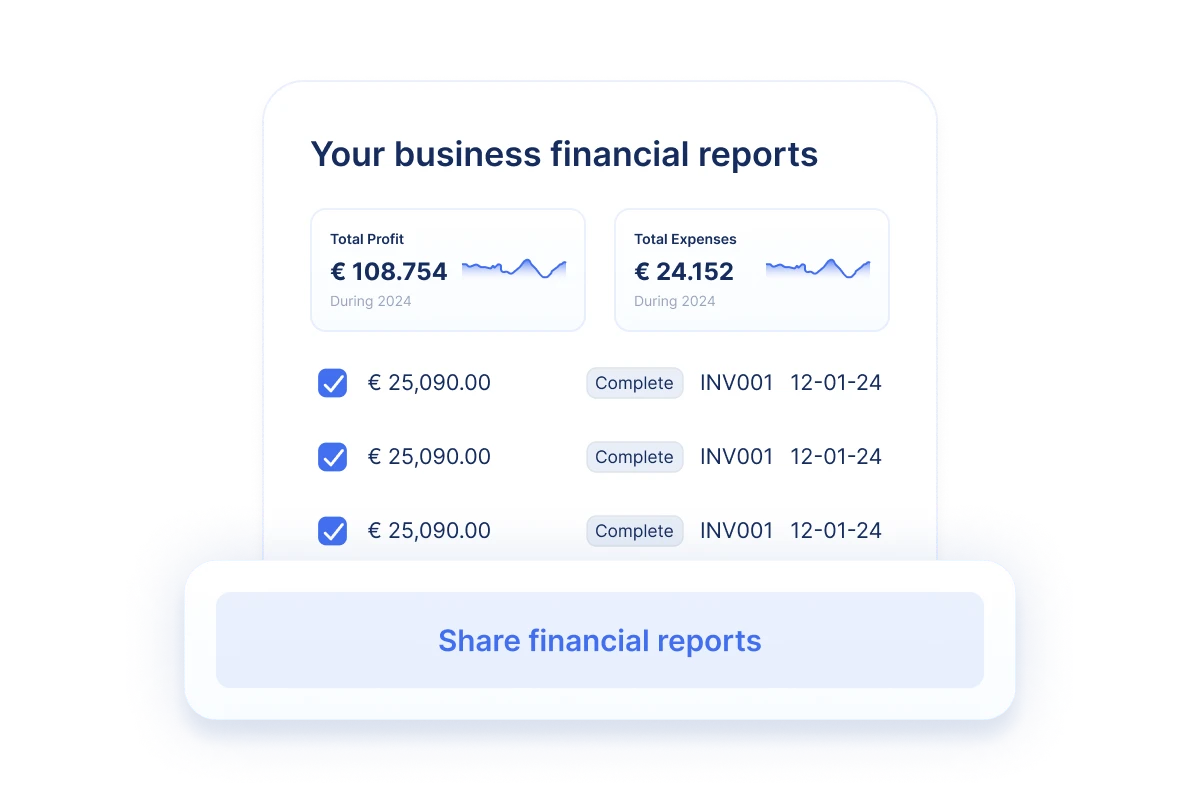
Gain full visibility of payments due, customer balances, and fund allocation for smoother AR management.


Our cloud native software seamlessly combines core group accounting tools with advanced intelligence and automation features.


Gain full visibility of your business performance with AccountsIQ’s powerful reporting tools. With over 250 pre-built reports and customisable, role-based dashboards, you can generate accurate insights and make informed decisions in real-time.

This multi-dimensional reporting is perfect for our setting. It has revolutionised our potential to do our job here in the centre. That is to stand over these charitable funds and know exactly what’s going on with the funds of each charity.

AccountsIQ streamlines multi-entity consolidation, making it quicker and easier to unify data from different sources. Our software handles consolidations across multiple currencies, enabling you to generate accurate group accounts and reports effortlessly.

AccountsIQ gives you real-time, flexible insights across every part of your business - delivering reports in 1/10th the time of traditional systems. What used to take days now takes minutes - so you can focus on analysis, not data processing.
We have chosen AccountsIQ as it is a flexible and intuitive software that has allowed us to automate and improve our financial processes. The AccountsIQ team is great and very customer focused.


AccountsIQ’s open API allows seamless integration with a wide range of third-party applications, ensuring smooth workflows and real-time data synchronisation across your finance tech stack. Improve operational efficiency and reporting accuracy by connecting to your essential business tools.
Starter systems like Sage and Xero don’t really meet the needs of a complex business. AccountsIQ is a proper accounting package. It’s Cloud-based, user-friendly and meets all the accounting needs of an international business like IFX.

Speed up your approval processes by 80% with AccountsIQ. Swap multiple legacy systems for a consolidated workflow on a single platform, providing complete approval cycle visibility. Reduce your month-end close by 15 days.
In previous years, we produced accounts for our auditors around four months after year-end. This year, with AccountsIQ, we did it in just six weeks and next year our target is to get it done in a month.

AccountsIQ is the combined accounting, group consolidation, and business intelligence-enabled software that helps you manage accounts across multiple entities and currencies. Our first class features and comprehensive reporting tools fuel and sustain your growth and enable you and your team to achieve your maximum potential.
Gain full visibility of payments due, customer balances, and fund allocation for smoother AR management.

Easily track prepayments, post invoices in batches, and manage credit notes for efficient AP processes.

Use our flexible GL with multiple categories and group structures for in-depth reporting.

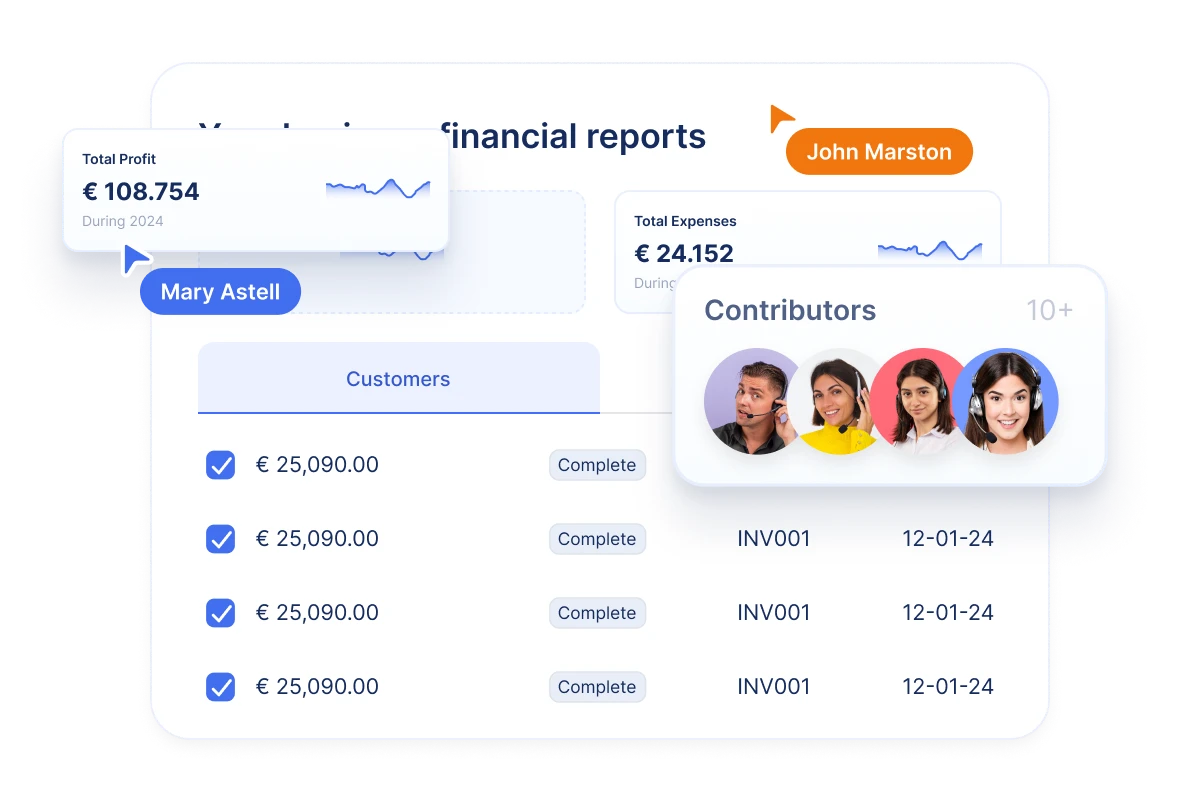
Collaborate in real-time with your teams for faster transaction processing and approvals.

Automate transaction imports, bank reconciliations, and secure domestic and international payments.

AccountsIQ is HMRC recognised, and approved by Irish Revenue for digital VAT submissions, simplifying tax compliance.
Connect AccountsIQ to your other powerful productivity tools

Grow your business without entry-level limitations or enterprise-level costs.

Enjoy a new breed of cloud software and put an end to costly upgrades.

Move up from micro business bookkeeping with full support, in as little as four weeks.